


Integrate ESG principles into your company’s global communication
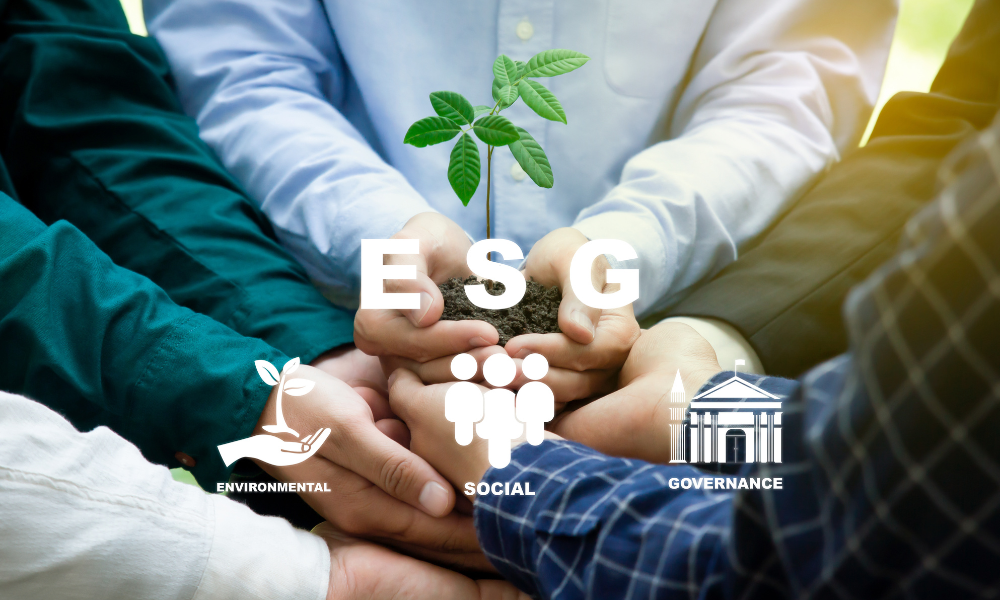
In today’s business world, ESG principles (environmental, social and governance) have become a decisive factor. These principles are a declaration of intent; In addition to a guide to operate in a responsible and sustainable manner. Companies that adopt ESG strategies strengthen their reputation, gain the trust of their customers and attract investors committed to a more fair and sustainable future.
However, when a company operates internationally, communicating its ESG efforts can be a challenge. Cultural differences, language barriers, and expectations of local consumers demand a well thought out strategy. In this context, translation is not an addition, it is a necessity.
The importance of ESG in global communication
ESG principles cover aspects such as reducing environmental impact, promoting social equity and establishing ethical business practices. For example, a company can adopt neutral carbon policies, guarantee fair wages, or prioritize diversity in its management team. These commitments, effectively communicated, become a powerful tool to build the company’s credibility.
Today, consumers and shareholders not only prefer responsible companies, they demand them. A clear and coherent communication of ESG values reinforces the brand, and also demonstrates real transparency and commitment. Instead, achieving this in a multicultural environment is a real challenge. Cultural nuances and different legal frameworks can make it difficult to transmit a uniform ESG message without compromising its authenticity.
Key factors to integrate ESG into global communication
Understand local audiences
Each market has unique expectations and sensitivities. While in some countries environmental efforts such as plastic reduction are well received, in others, social or governance aspects may have greater relevance. To really connect with the audience, it is necessary to adapt the ESG messages with these factors in mind.
For example, a campaign that highlights diversity in the workplace can resonate deeply in Western Europe, while in Asia, corporate social responsibility focused on community welfare can have a greater impact. Understanding these cultural differences and communicating with empathy is essential to connect with the public.
Accuracy in the translation of ESG messages
There is no margin for errors when it comes to ESG. A poorly translated term can completely distort the message, causing misunderstandings or, worse still, questions about the authenticity of the company’s commitment. Therefore, we must work with specialized translators who understand both the ESG principles and the legal and cultural contexts of each region.
For example, in countries where regulatory frameworks are strict, mistranslating a term related to environmental certifications could have significant legal and reputational consequences.
Consistency in the ESG message at a global level
Coherence is the key to conveying trust. Although the messages must be adapted culturally, it is important that the ESG narrative maintains a uniform line at a global level. This is where tools such as glossaries and style guides play a fundamental role. These tools help ensure that key terms are translated correctly and that the tone is consistent in all languages.
Good practices to communicate ESG effectively
avoid the “Greenwashing“
the “Greenwashing“, or giving an appearance of sustainability without real commitment, is a trap that can destroy the credibility of a company. Effective ESG communication must be authentic, transparent and backed by concrete actions. For example, instead of affirming “we are a sustainable company”, it is more impactful and credible Detail specific measures, such as “we have reduced our carbon footprint by 30% in the last three years”.
Bet on advanced technology and resources
Technology can be a great ally for ESG communication. Assisted translation tools and location platforms ensure that messages are consistent and culturally relevant. These solutions improve the quality of translations, and also reduce time and costs, which is crucial for large global campaigns.
Companies that implement translation management systems can centralize their ESG messages, ensuring that each region receives communication aligned with brand values.
Involve sustainability and translation experts
Collaboration between ESG, communication and translation teams is essential. Translators must be expert linguists and understand ESG principles and how they impact different markets. In this sense, Nuadda offers a comprehensive approach, combining experience in translation and sustainability to ensure that every ESG message meets local and international expectations. We can also help you implement a reliable translation system and train the personnel who are going to use it.
Conclusion
The integration of ESG principles in global communication is not just a strategy, it is a necessity for companies that seek to lead responsibly. Adapting these messages through a precise and culturally relevant translation ensures that ESG commitments resonate in each market.
On NUADDA We combine experience in translation and localization with a deep understanding of ESG principles. Our goal is to help you communicate in an authentic, consistent and effective way your values globally. Ready to take the next step in your ESG communication? Contact us and transform your global impact.
