


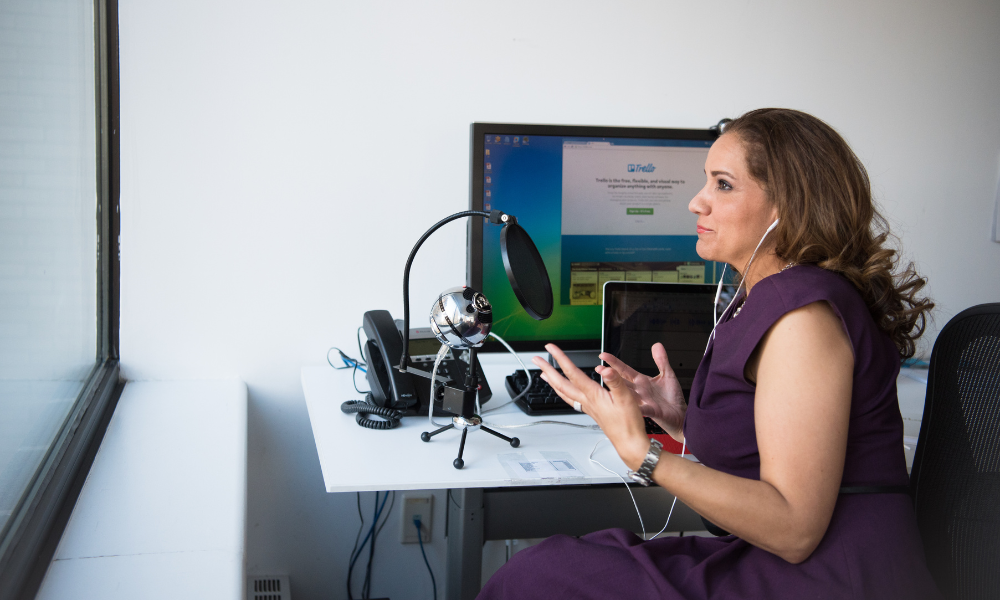
Trends in the translation of audiovisual content
Audiovisual translation has become a tool to connect global audiences in an increasingly interconnected world. This field covers the adaptation of subtitles, dubbing, audio descriptions and localization of content to guarantee that they reach diverse audiences, respecting cultural and linguistic differences.
In recent years, the rise of platforms streaming And technological development has driven new trends that are transforming the way in which audiovisual content is translated and presented. This article explores these trends, highlighting its impact on the quality and accessibility of global content.
Automation in subtitles and dubbing
Artificial intelligence (AI) and machine learning have revolutionized audiovisual translation, especially in the generation of subtitles and automated dubbing. These technologies allow to process large volumes of content in record time, a key advantage in the era of streaming and social networks.
Benefits of automation:
- Speed: Automatically generated subtitles in a matter of minutes.
- Cost reduction: Lower initial investment compared to traditional processes.
- Global access: Quick translations for simultaneous launches in multiple languages.
However, these tools are not foolproof. Automatic translations may lack cultural precision and context, which affects the final quality of the product. Human supervision remains essential to ensure that content is coherent and culturally appropriate.
Cultural location in audiovisual content
Cultural location involves adapting the content to be suitable for the target audience. Cultural differences can influence how messages are perceived and mistranslation can have a negative impact on receiving content.
Common cases of bad location:
- Word games that lose their meaning in the translated language.
- Cultural references that are unknown or inadequate for the audience.
Advanced technological tools are beginning to include elements of cultural location, but the sensitivity and experience of human translators remains crucial to ensuring effective and respectful adaptation.
translation for accessibility
Accessibility in audiovisual content has gained attention, with international regulations and standards that require the inclusion of services such as subtitles for people with hearing disabilities and audio descriptions for people with visual disabilities.
Accessibility trends:
- Automatic creation of audio descriptions with artificial intelligence.
- Customizable subtitles that allow users to adjust size, color and style according to their needs.
- Emerging technologies that integrate these services in real time.
Ensuring accessibility meets legal standards, also broadens the potential audience, encouraging an inclusive experience for all viewers.
Impact of streaming on audiovisual translation
Streaming has transformed content production and distribution, demanding faster and more accurate translations. Platforms such as Netflix and Amazon Prime have set new standards for audiovisual translation, with processes that allow simultaneous launches in multiple languages.
New streaming driven trends:
- Instant subtitling: AI integration to translate and sync dialogs in real time.
- Original content translation: Greater focus on quality to differentiate in a competitive market.
- Global Collaboration: Translation teams that work remotely in different regions.
This dynamic has raised the demand of consumers, who expect a high-quality experience regardless of the language or region.
humans and machines: a necessary collaboration
Despite technological advances, human translators are still essential to guarantee quality and creativity in audiovisual translation. Machines are powerful tools, but they lack the ability to understand cultural and emotional nuances. The future of audiovisual translation is not about replacing humans with machines, but about taking advantage of the best of both to offer optimal results.
Conclusion
Audiovisual translation is constantly evolving, driven by technology and the growing demand for global content. From automation to cultural location and accessibility, these trends are redefining how we consume and create content in different languages.
On NUADDA We combine our human experience with advanced solutions to ensure high-quality translations that respect cultural diversity and the needs of the public. Explore our solutions and discover how we can help you bring your audiovisual content to a global audience effectively and accessible.
